I’ve just had a lovely break away and come back with a thud to lots of carer admin and dare I say it, drama. I am a positive person, so it always makes me somewhat uncomfortable to write a post that’s not as light and bright as my usual ones, but I also believe in authenticity. I feel it is important for me to tell it like it is and to shine the spotlight on some of the challenges of caring.
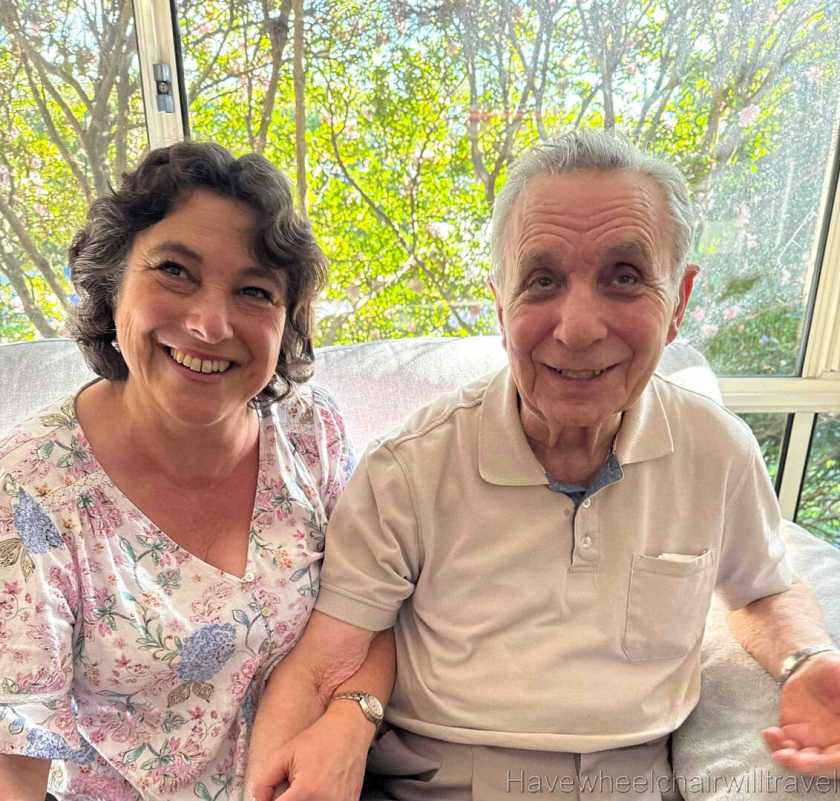
As a carer for three family members, I’ve concluded that society doesn’t offer enough support. In fact, I think society has turned its back on carers but I’m keen to hear your thoughts because I don’t think this is breaking news to many people in the caring community. I wrote about this topic a couple of years ago and I’ve seen no improvement since then. I see comments in Facebook groups I’m in, and the sentiment is the same, whether it is a cerebral palsy parents’ group or a dementia support group: people need more support to continue to care for their loved ones. It’s an uncomfortable truth to suggest that society doesn’t care, but I feel we need some noise around this topic because the mental and physical ramifications for carers is too great.
Is society turning its back on carers?
I pride myself on being resilient, a good communicator and in recent years I’ve learned to delegate a bit more. In January this year I reached my caring limit and made sure that people trying to add to my load were aware I’d reached it. I actually used those exact words, “I’m at my limit.” You’d think that was fairly clear, right? Well, we are several months down the track and caring has cranked up a notch with ageing parents, the usual admin and care for Braeden. Last week when a professional was chatting to me, I was again clear and said, “in January I was at my limit and I’m now beyond it.” Again, I feel that’s quite clear, but nope, in that same conversation the person told me they’d need more from me. I’m done with silently adding to my load and suffering in silence but being vocal and clear makes no difference. It’s hard not to feel bulldozed by an approach that doesn’t take into account the carer’s needs and circumstances. Carers are not bottomless pits, and when a carer says ‘I’m at my limit’, that should be understood and respected.
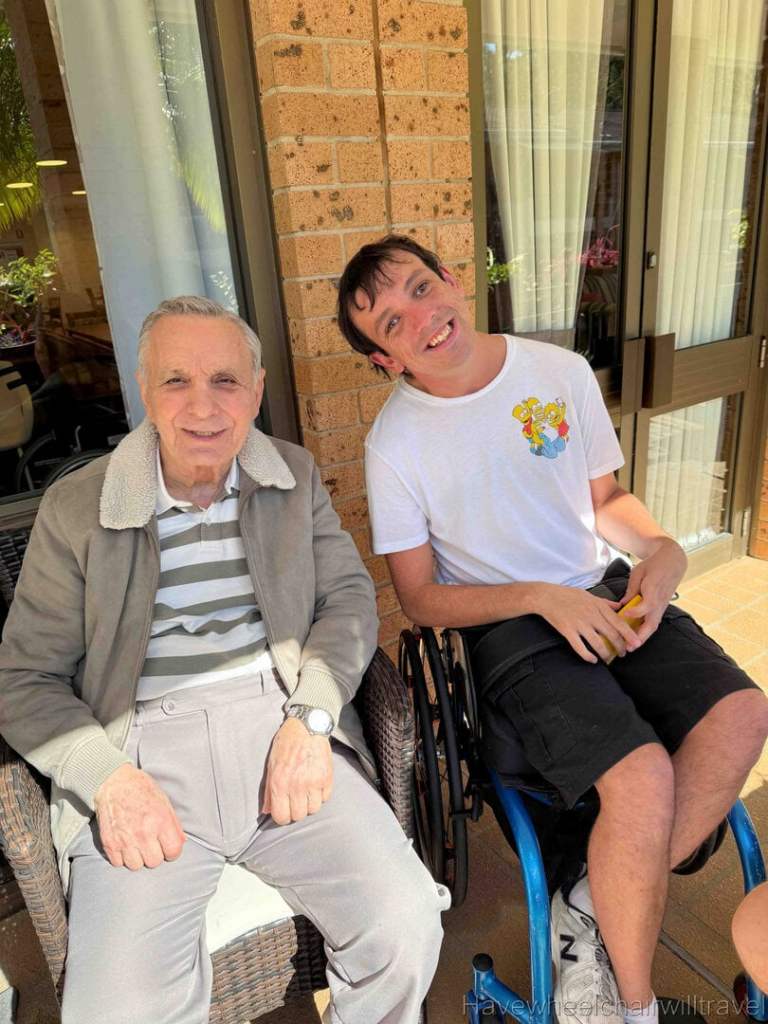
I’ve found the same lack of regard for Hubby and myself and our well-being when it comes to Braeden’s NDIS plan. I get that the NDIS is there to assist Braeden but when there has been a lack of funding that also impacts our ability to live a normal life. The amount of care Braeden requires affects our ability to work and live the equivalent lifestyle we would have if Braeden didn’t have a disability at this age.
I follow families in the US, UK and New Zealand and see a similar lack of support. Many of our Have Wheelchair Will Travel families in the US report they don’t get access to any respite services and I am appalled to read about the situation in New Zealand where respite ends when a child leaves school. Who makes that decision? A teen or adult with a disability doesn’t suddenly need less care when they leave school. Their parents/carers are in no less need of time to recuperate with a short break. If their child is unable to travel, it effectively means the whole family cannot travel as there is no respite care. There is no magical age where carers suddenly don’t need assistance, time out and the ability to recharge. That time out makes us better carers. Respite also allows for some young people to adjust to having others assist them, gives them an opportunity to socialise and spend time outside of the family home. I understand respite isn’t for everyone but it should at least be an option.
And finally, last week a friend of mine was supporting her son, who is non-verbal and needs help with all his daily living needs, in hospital. Her presence would have been of great assistance to nursing staff, not to mention providing her son with comfort with unfamiliar people when he wasn’t well. She was staying overnight with him and had to sit upright in a chair. This is a solo parent, who, on discharge, would be returning home with a son who needs round the clock care, and thanks to a hospital stay and sleeping in an upright chair, would be beyond exhausted.
Words are empty, how many times have we heard, “I don’t know how you do it, you are amazing.” Carers are not superhuman, we are doing what we do out of love and need. In return we need society to value us. We are pouring every ounce of love into the most vulnerable members of our community. Taking care of our carers shouldn’t be a topic I am writing about again and again. Carers look beyond themselves and we need the rest of society to do so too.
A token “Carers week” is no longer enough.